
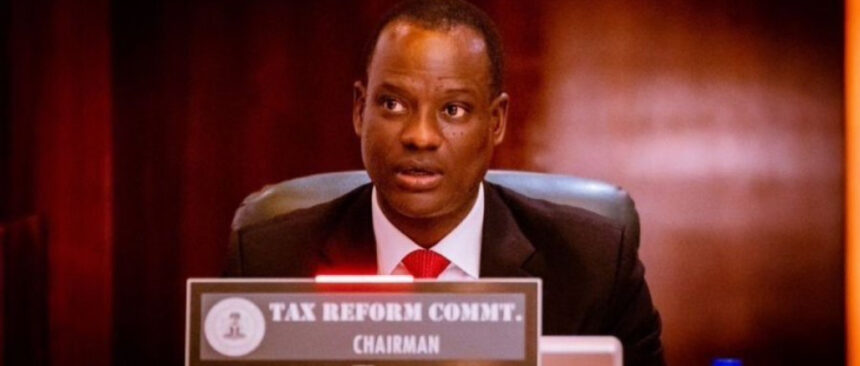
The Chairman of the Presidential Committee on Fiscal Policy and Tax Reforms, Taiwo Oyedele, has clarified that the controversial 5% fuel surcharge was not introduced by President Bola Tinubu’s administration but has been in existence since 2007.
Speaking on Channels Television’s The Morning Brief on Tuesday, September 9, Oyedele explained that the law had remained dormant due to fuel subsidy.
“One very important message for people to know is that this surcharge was not introduced by this government. It was introduced in 2007. And then it was not implemented because the government was subsidising fuel,” he said.
Recent reports indicated that the surcharge—placing a 5% fee on every litre of fuel purchased—would take effect in January, sparking public outcry amid rising living costs. Oyedele, however, insisted the measure was not part of the tax reform bills signed into law earlier this year.
“While we were doing this tax reform, it was not even in the original proposal, so it was not like the President proposed it to the National Assembly. But in the process of working on the bills, these issues came up, and then the decision was made that we should not have different agencies collecting taxes,” he explained.
According to him, the law gives the Federal Road Maintenance Agency (FERMA) the mandate to administer the surcharge, with 40% of revenue allocated to federal roads and 60% to states. He stressed there is currently no confirmation that implementation will begin in January, contrary to speculation.
The debate has since drawn resistance from civil society organisations, trade unions, and the Organised Private Sector. The Trade Union Congress (TUC) has threatened to go on strike if the surcharge is enforced.
Oyedele, however, defended the policy, stressing its importance for road infrastructure. “The surcharge is necessary for the upkeep of Nigeria’s road network,” he argued, “saying the benefits will ultimately serve the public.”